
Let’s be honest for a second…
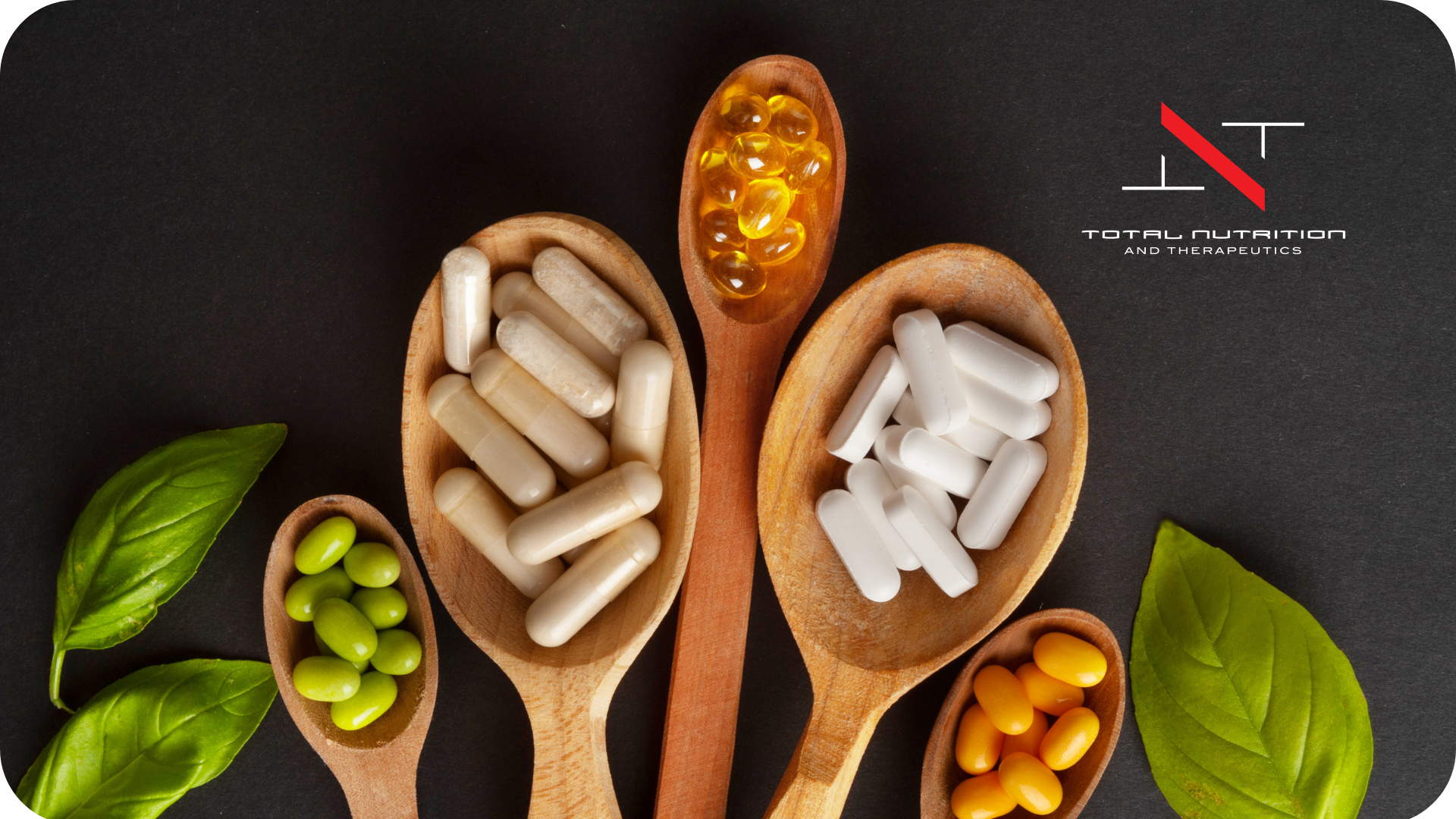
Most people have a cabinet full of supplements—and a quiet thought in the back of their mind: “Shouldn’t I feel better than this?”
If that’s you, you’re not missing effort. You’re missing a key piece.
Your body doesn’t just need nutrients. It needs nutrients it can actually use.
We’ve been taught that more is better. More vitamins. More supplements. More everything.
But that’s not how the body works.
What really matters is how well your body can absorb, activate, and use what you’re giving it.
Because you can be doing all the “right” things and still feel off if:
· Your supplements aren’t in a usable form
· Your digestion isn’t working well
· Inflammation is getting in the way
· You’re missing key nutrient partners
· Or the quality just isn’t there
In other words, your body might be trying… and still falling short.
There’s a lot happening in your body that you never see—but you definitely feel when it’s not working.
Methylation is one of those things.
It helps your body detox, balance hormones, support your brain, repair cells… basically, it keeps communication running smoothly.
When it’s off, things can feel a little “off” too—and it’s not always obvious why.
One simple but important piece here is form.
Your body does better with nutrients that are already in their active state, like:
· Synthetic B12 (cyanocobalamin vs. Bioactive (or Active) Methyl B12
· Methylfolate instead of folic acid
Even without genetic factors, stress, aging, and inflammation can make it harder for your body to convert nutrients on its own.
This is where a lot of people unintentionally fall short.
If protein intake is low, the body feels it.
You might notice:
· Lower energy
· More fatigue
· Slower recovery
· Brain fog
· Less resilience overall
B vitamins help drive energy—but without enough protein, your body doesn’t have the raw materials to rebuild, repair, and stay strong.
Glutathione is often called the body’s master antioxidant—and for good reason.
It helps protect your cells, manage toxins, and keep inflammation in check.
But here’s the part most people miss:
It’s not just about how much glutathione you have… it’s about how well your body can use and recycle it.
If that recycling process isn’t working well, you can still come up short.
That’s why, instead of just adding more, it can be more effective to support the system with things like NAC, alpha lipoic acid, glutamine, and milk thistle.
It’s less about pouring more in—and more about helping your body function better.
This is one of the most underrated parts of health.
Your cell membranes decide what gets in, what stays out, and how well your cells communicate.
When they’re healthy, everything works better—energy, hormones, brain function… all of it.
One nutrient that plays a big role here is phosphatidylcholine (PC), which supports brain clarity, memory, and overall cellular repair.
If you’ve ever felt foggy or mentally sluggish, this is often part of the bigger picture.
Good circulation helps everything move the way it should—nutrients in, waste out.
Compounds like nattokinase can support this, but they’re not magic on their own.
They work best alongside the basics: hydration, anti-inflammatory foods, omega-3s, and balanced blood sugar.
Two supplements can share the same name on the label, yet differ in their chemical form—resulting in very different absorption, conversion, and biological impact.
This comes down to things like:
· Ingredient quality
· Stability
· Proper forms
· Manufacturing standards
When quality is lacking, outcomes are often compromised—and in certain cases, this may introduce potential risk or harm.
Instead of asking, “What should I take?”
Try asking, “Why is my body struggling in the first place?”
That’s where real change happens.
Because when you understand the root of the issue—whether it’s inflammation, nutrient depletion, or stress on the system—you can actually start to fix it.
There isn’t a single supplement that replaces the basics.
Real resilience comes from what you do consistently:
· Eating real, nutrient-dense food
· Getting enough quality protein
· Sleeping well
· Managing stress
· Moving your body
· Reducing your overall toxic load
It’s not flashy—but it works.
All of this—bioavailability, methylation, glutathione, cell health—it’s not extra.
It’s the foundational.
You can take the right supplement, but if your body cannot absorb, convert, and utilize it effectively, the outcome will fall short.
Health is not built by what you take alone— it is built by how well your body can use what it’s given.
Support the system. Strengthen the foundation. That’s where meaningful change begins.

Ready to start your journey with Total Nutrition and Therapeutics?


 Visit Store