
If you’ve spent any time researching healthy aging, recovery, metabolism, performance, or wellness optimization lately, chances are you’ve heard the word peptides.
But what exactly are they?
And more importantly… why are so many healthcare providers and wellness clinics beginning to incorporate peptides into personalized wellness programs?
At Total Nutrition & Therapeutics, we believe education comes before intervention. Our goal is to help individuals better understand the tools available to support healthy aging, recovery, vitality, and overall wellness — including the growing conversation around peptides.
Peptides are naturally occurring chains of amino acids — the building blocks of proteins — that help support communication within the body. Think of them as messengers. Different peptides can signal different functions related to:
Your body already produces peptides naturally. However, as we age, natural production and signaling may change over time.
This is one reason peptides have become an area of growing interest in the world of functional and integrative wellness.
Many people today are searching for ways to support:
At the same time, more individuals are looking for approaches that are personalized and data-driven — rather than one-size-fits-all.
That’s where peptides have entered the conversation.
Rather than simply masking symptoms, many wellness providers are exploring how peptides may support the body’s natural communication and recovery systems as part of a broader lifestyle and wellness strategy.
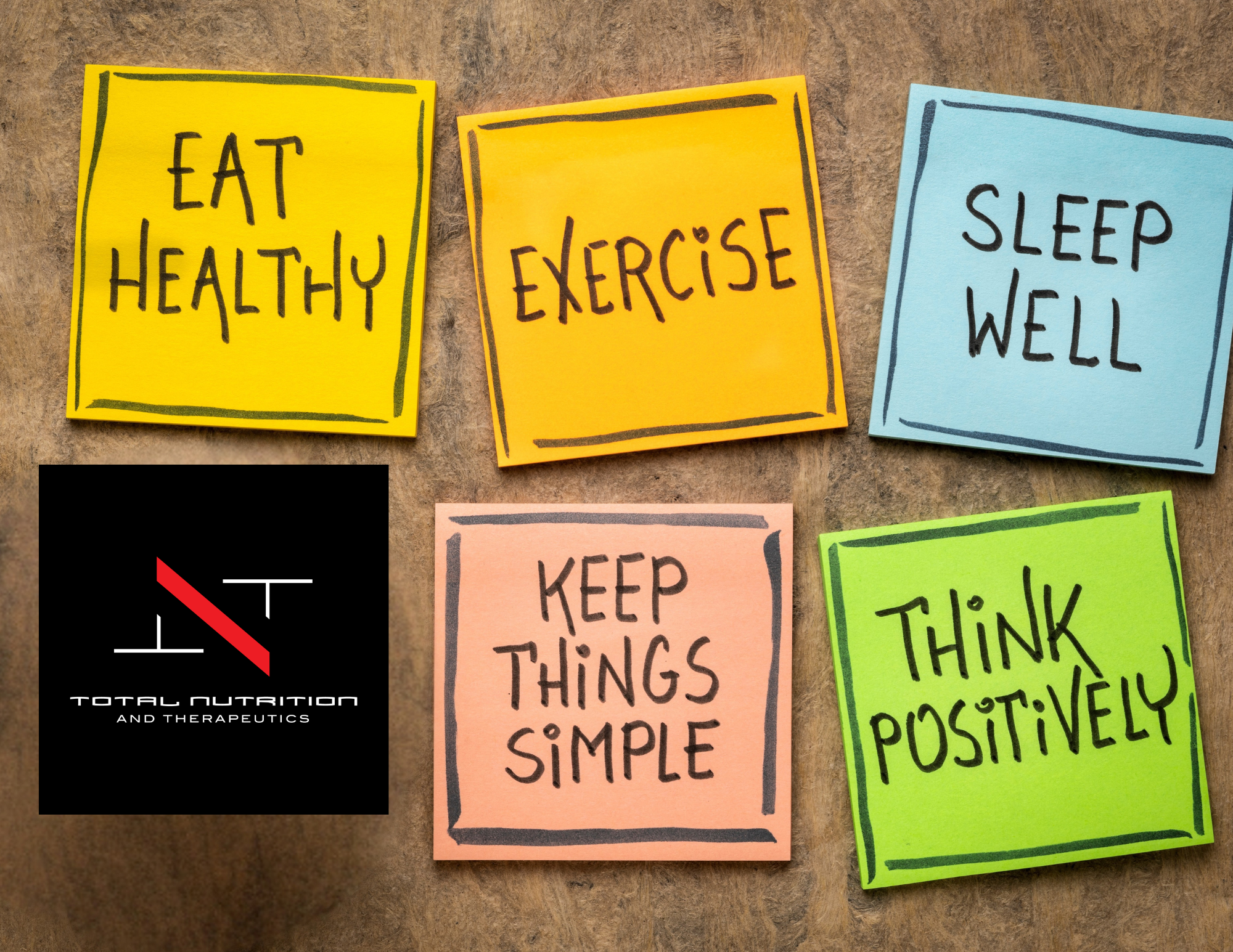
Let’s clear something up right away. Peptides are not a shortcut. They are not a replacement for:
At TNT, we believe the foundation always comes first. That means looking at the whole picture:
Peptides are simply one possible tool within a personalized wellness plan.
This is one of the most common questions we hear. Hormones are chemical messengers produced by glands in the body that directly regulate functions like metabolism, reproduction, stress response, and energy.
Peptides, on the other hand, are short chains of amino acids that often act as signaling molecules — helping influence or support certain biological processes. While hormones and peptides can both play roles in healthy aging and wellness optimization, they are not the same thing. In many cases, they may be evaluated separately depending on an individual’s goals, symptoms, health history, and clinical needs.
Research and clinical interest around peptides continue to grow in areas such as:
Some individuals exploring peptides are:
At TNT, our philosophy is rooted in personalized care — not trends. That means taking time to determine whether a particular approach aligns with the individual in front of us.
The internet is full of peptide advertisements promising dramatic transformations. But true wellness is rarely that simple. Every person has:
That’s why individualized guidance matters. At Total Nutrition & Therapeutics, our team believes wellness should be:
We focus on helping clients better understand their bodies and create realistic strategies that support long-term health and vitality.
At TNT, we prefer the term healthy aging over “anti-aging.”
Because aging is not something to fight against. It’s something to move through with strength, resilience, clarity, and support. Healthy aging means:
For some individuals, peptides may become part of that conversation alongside:
Peptides are becoming an increasingly discussed topic in the world of wellness and healthy aging — but they are not about quick fixes or hype. They are one part of a much larger conversation about helping the body function, recover, and age well.
At Total Nutrition & Therapeutics, we believe the best wellness plans are built on education, personalization, and sustainable lifestyle support. Because the goal isn’t simply to live longer. It’s to live stronger, clearer, and more connected to your health along the way.



Ready to start your journey with Total Nutrition and Therapeutics?


 Visit Store